

In recent years, the popularity of freelancing has seen a significant rise, with more and more individuals opting for the flexibility and freedom that comes with being their boss.
However, while freelancing offers plenty of opportunities, it also presents unique challenges that require effective strategies to navigate.
With the ever-changing landscape of the gig economy, freelancers need to adapt and thrive to achieve long-term success. This is where the importance of having a solid success strategy comes into play.
Freelancers need to have a clear understanding of how to maximize their productivity, manage their time efficiently, and market their skills effectively in order to stand out in a competitive market. They also require the right tools and resources to aid them in their endeavors.
In this article, we will explore some valuable tips and tools that freelancers can use to build a successful career and thrive in the world of freelancing.
Setting the groundwork for success as a freelancer involves several key strategies.
First and foremost, it's important to identify your niche and target audience. Understanding the specific skills and expertise you bring to the table, as well as who will benefit most from your services, can help you focus your efforts and attract the right clients.
Additionally, creating a strong personal brand is essential for standing out in a competitive market. This includes developing a professional website, showcasing your work, and maintaining a consistent and compelling social media presence.
Finally, setting clear goals for your freelancing career is crucial for staying motivated and measuring your progress. Whether it's financial targets, professional development milestones, or specific projects you want to tackle, having a roadmap for success can help guide your efforts and keep you on track.

For freelancers, success often hinges on effective time management and organization.
Utilizing time-tracking tools can help freelancers keep track of their billable hours and ensure they are being as efficient as possible.
Creating a productive workspace is also essential. Here are some tips for creating a productive workspace:
Declutter: A cluttered workspace can be distracting and make it difficult to focus. Keep your workspace tidy and organized to minimize distractions.
Comfortable furniture: Invest in a comfortable chair and desk to ensure you can work for extended periods without discomfort.
Good lighting: Natural light is best, but if that's not possible, invest in good artificial lighting to reduce eye strain.
Personal touches: Adding personal touches to your workspace, such as plants or inspiring artwork, can help create a more inviting and productive atmosphere.
Prioritize technology: Make sure you have all the necessary technology and tools, such as a computer, printer, and high-speed internet, to support your work.
Noise control: If noise is a problem, consider using noise-canceling headphones or playing background music to help you focus.
If working from home isn't an option, coworking spaces are a popular choice for many professionals.
These shared spaces provide a professional and productive environment with access to essential amenities such as high-speed internet, meeting rooms, and printing facilities. One example would be the twinhub coworking space that provides all the essential amenities as well as comfortable furniture to make your day more productive and comfortable.
They also offer the opportunity to network and collaborate with like-minded individuals.
Ultimately, creating a productive workspace is about finding an environment that supports your work habits and helps you to focus and accomplish your goals.
Whether it's at home or in a coworking space, it's important to personalize your workspace to suit your needs and preferences.
Setting boundaries and managing work-life balance is crucial for maintaining mental and physical well-being. Platforms like Twinhub provide the perfect environment for freelancers to achieve this balance, with amenities designed to support a healthy work-life integration.
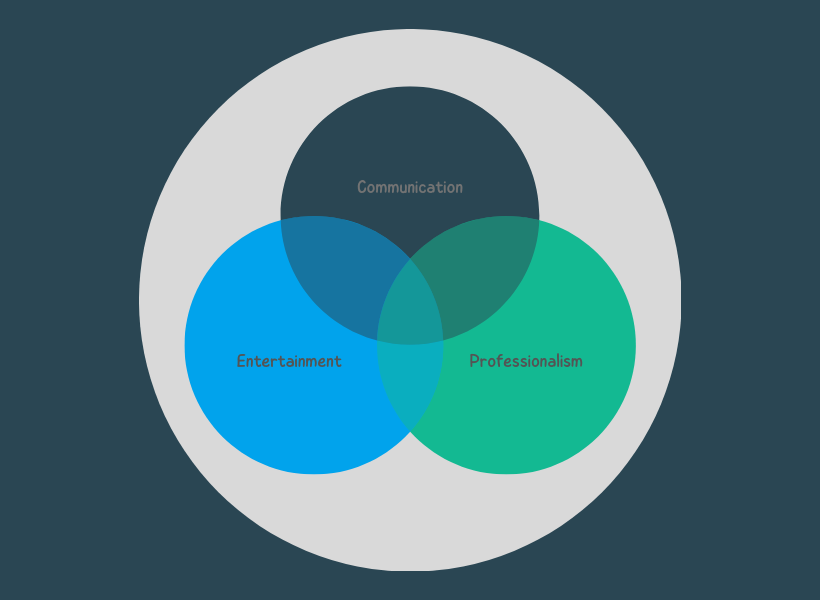
Building a strong network is essential for success in any industry.
One way to do this is by utilizing social media and professional networking sites to connect with others in your field.
These platforms provide an easy and efficient way to establish and maintain connections with colleagues, potential clients, and industry leaders.
In addition to online networking, investing in in-person networking opportunities such as industry events, conferences, and meetups can also be highly beneficial.
These face-to-face interactions allow for deeper and more personal connections to be made, which can ultimately lead to valuable partnerships and business opportunities.
Again, coworking spaces provide an excellent opportunity for networking. Moreover, these shared spaces also offer an environment to learn and grow with people of your niche.
Lastly, leveraging referrals and testimonials from past clients is an effective way to build trust and credibility within your network. Positive recommendations from satisfied clients can help to solidify your reputation and attract new opportunities.

Financial management is a crucial aspect of running a successful business, especially for freelancers. It involves setting and negotiating fair rates for your services to ensure that you are compensated fairly for your work.
Additionally, using accounting and invoicing software can streamline the process of tracking income and expenses, as well as help in creating professional-looking invoices for clients. As a freelancer, managing taxes and retirement savings is also essential.
It's important to set aside a portion of your income for taxes and ensure that you are staying on top of any tax regulations that may apply to your business.
Furthermore, saving for retirement is crucial, as freelancers don't have the benefit of employer-sponsored retirement plans.
Marketing and self-promotion are essential for professionals seeking to advance their careers and gain recognition in their field.
Building a professional portfolio is a crucial first step in showcasing one's work and expertise. This can include creating a polished resume, portfolio website, and LinkedIn profile.
Utilizing content marketing and social media promotion is also key to reaching a wider audience and establishing oneself as a thought leader.
Sharing valuable insights and engaging content on platforms like LinkedIn, Twitter, and Instagram can help professionals expand their reach and connect with industry professionals.
Additionally, seeking out speaking opportunities and guest blogging can provide a platform to share expertise and gain visibility in the industry.
In conclusion, freelancers can succeed by finding their niche, setting clear goals, and managing time well.
Balancing work and life, building a network, and simple financial management are key. Also, promoting yourself through a professional portfolio and social media opens doors. Moreover, coworking spaces offer a conducive environment for freelancers to be more productive.
So if you are looking for a supportive workspace to enhance your freelancing journey, you should consider exploring twinhub.
Happy freelancing!
T

twinhub
Twinhub is a co-working space for people with big ideas to connect, collaborate and get ahead.
Our Location
Copyright 2026. Twinhub (Pvt) Ltd.